Pages

Showing posts with label causes of water damage. Show all posts

Friday, May 6, 2022

Where to Expect Water Damage in Your Home


You may not be aware of this, but water damage can happen in your home in various places. A common misconception is that only areas like the basement or bathroom are at risk for water damage. However, there are many other places in your home where water can find its way and cause a lot of damage. Here’s a list of spots you should keep your eye on this spring and summer:
 

The Kitchen

The kitchen has many opportunities for accidental water spills that lead to significant amounts of liquid. Not to mention the many appliances that could have a malfunction or leak and cause some damage to your home. Consider checking under your kitchen sink and dishwasher for any water pooling — this is a clear sign that you may be dealing with water damage.
 

Around Appliances

It’s not just your dishwasher you need to keep an eye out for! Washing machines, refrigerators, and more are always exposed to the possibility of water leakage because they use water so often.
 

Basements

Unfortunately, water damage can happen very easily in your basement. Homeowners often see flooding or leaks here. This may not seem like an issue at first, but it can cause problems such as mold and mildew, which are no fun for anyone living in the house.
 

Attics and Crawl Spaces

There are many sources of moisture that can affect your attic or crawlspace. Open vents, lack of a vapor barrier, un-vented appliances, and foundation sidewall penetration can all allow enough moisture to keep the humidity levels excessively high. This, in turn, causes water damage, which odors, bugs, and critters that like damp environments will want to come and invade your space.

If you suspect you have water damage in your home:
  • Do not touch wet or damaged items with bare hands
  • Do not breathe in damp or odorous air
  • Contact a certified water damage repair expert if you suspect a problem

Water Damage Evaluation in Suffolk County

At GreenPro Cleaning & Restoration, we will come test for water damage to ensure you and your family are safe after a rainstorm. If you suspect that there may be a problem in the home or building, call us to schedule your indoor evaluation at 631-940-8100.

Monday, January 31, 2022

Our Visual Survey For Water Damage


Water damage can happen for a variety of reasons. It may be the result of an overflowing sink, toilet, or dishwasher; it could also be due to plumbing issues in your home's walls or flooring. Or, it could be due to intense weather conditions such as rainstorms or a blizzard. If you suspect that you have water damage, it is important to act quickly and call for professional help.

Here at Greenpro, we have a full-service visual survey for water damage that will help determine where the issue is and how it can be fixed. For more details about this process, read on!
 

What Is a Visual Survey?

A visual survey is a way to assess the damage and find out if we can do anything for you. Our inspectors use this information to determine what repairs need to be made, how long they will take, and what kind of help we can offer with the cost.
 

Our Visual Survey Process

We perform visual surveys in the home or building to check the fungal ecology or problems in a specific area as directed.
  • The survey takes about 30-45 minutes and includes the following:
  • Walking around the suspected problem area(s).
  • Walking through and to the areas of concern.
  • Viewing the area with a flashlight to highlight the alleged water-damaged area.
  • Taking moisture readings of the structure such as walls, floors, and/or ceiling surfaces to detect moisture intrusion.
  • Taking temperature and relative humidity readings to determine if they fall within ASHRAE recommendations.
  • Providing an estimate for remediation by industry standards [S-520].

Protect Your Home

On top of these steps, we also visually survey and test for water damage at a reasonable rate. Remember that the young and elderly are more susceptible to water damage and indoor pollutants. If you suspect that there may be a problem in the home or building, call us for an indoor evaluation.

Contact Us For All Your Water Damage Removal Needs!

Cleaning and taking care of your home after a water damage mishap can be difficult to deal with, and it is often best to bring in some professionals to help. Contact GreenPro Cleaning and Restoration to take care of your ducts, attics, crawl spaces, and water damage needs.

Wednesday, January 12, 2022

Can Flooding Happen in the Winter?


When you picture flooding, you often imagine this dangerous dilemma happening in either spring or summer. However, that’s not always the case. Just because winter brings freezing and dry conditions doesn’t mean your home or business isn’t at risk of water damage! The threat of flooding continues well into the winter months due to many colder conditions. Here are just a few to keep in mind as we move through the season.
 

Ice Dams

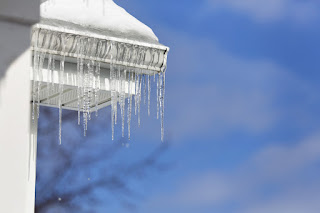
Most of the time, ice dams will form on your roof. It is a ridge of ice that builds on the lower, uneven slope of your roof, which eventually prevents melting water or precipitation from draining off your house or building. When the water becomes backed up, it can often leak into structures such as your walls, foundation, or insulation. You can find your attic flooded because of this!
 

Melting Snow

After a snowstorm, those beautiful white blankets can’t last forever. However, sometimes the snow melts faster than it should, making it hard for the water to soak into outside soil easily. Because of this, surrounding areas may be subject to flooding due to improper drainage. If water pools enough around your home or commercial building, it could eventually cause a flood indoors.
 

Storms

Sure, rain or thunderstorms are rare during the winter months, but this season can still bring some intense storm damage. From hail to blizzards to strong winds and freezing temperatures, flooding often results in areas that experience these conditions the worst. Whether it’s because of increased dangerous circumstances along the shoreline or any of the issues stated above, you’re not out of the woods yet when it comes to avoiding flooding in winter!
 

Contact Us For All Your Water Damage Removal Needs!

Cleaning and taking care of your home after a water damage mishap can be difficult to deal with, and it is often best to bring in some professionals to help. Contact GreenPro Cleaning and Restoration to take care of your ducts, attics, crawl spaces, and water damage needs.

Thursday, October 21, 2021

How To Tell If Water Damage is Old or New


Water damage can happen to anyone. A leaky pipe, your water heater bursting, or even your sprinkler system could be the culprit. Unfortunately, it’s not always easy to tell how long you have been dealing with this type of issue. But, we have some helpful tips to help you determine just how long you have had this problem on your hands!

Standing Water

Many signs can help you figure out whether water has been leaking for a long time or just recently began to leak. Notice standing water on the floor around any of your appliances such as an oven, dishwasher, washing machine, or dryer? This could be an indication that there was previous damage here before.
 

Foul Odor

If you notice any foul odors coming from your basement or other areas where there might be water leaks, you probably have a water damage problem on your hands. Not only that but if it has had time to sit and permeate enough to cause a stench, then it’s been there for quite some time.
 

Noticeable Dips Throughout Your Home

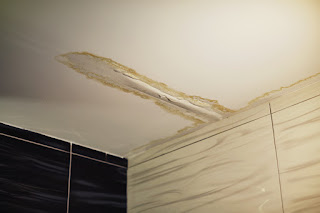
A noticeable dip in your flooring or ceiling is a clear sign of water damage— and one that has had plenty of time to do tons of damage. This dip may seem like it would be obvious, but it’s pretty easy for spots like this to go unnoticed. Keep an eye out for these bubbles after big rainstorms or near appliances.
 

Fading Water Spots

Sometimes you notice problem areas when it’s too late! For example, if you see water spots in different places around your home that seem to be fading, then the damage came and left a mark that is now in the process of dissolving— but it’s long from being over.
 

Get in Touch With Us For All Your Water Damage Needs

At GreenPro Cleaning & Restoration, we will test for water damage to ensure you and your family are safe after severe weather. If you suspect that there may be a problem in the home or building, call us to schedule your indoor evaluation at 631-940-8100.

Tuesday, June 15, 2021

Moisture In Your Attic or Crawlspace Could Mean Trouble


Humidity is a significant problem for homeowners, especially during the summer season on Long Island. This has caused a lot of issues for attics and crawl spaces. For those who don't know, attics are where hot air rises and collects while crawl spaces are at ground level, which means they typically collect more moisture than an attic would. So with the increased humidity levels from rainstorms or high temperatures, it can lead to water leaking into your home and other serious issues.

How It Happens

In an attic or crawlspace, the lack of ventilation and insulation means that there are fewer places for water vapor to escape than if it were inside your living space. This excess moisture will eventually seep into your home and cause mold or mildew to grow in areas such as your bathroom or kitchen.
 

Issues Excess Moisture Can Lead To

Some common problems homeowners might run into due to moisture in their house:
  • The water can seep through wood, eventually rotting out your home's framing and other structural components over time.
  • Standing water, which can lead to mold growth which can cause serious health problems.
  • Leaks in your home.
  • It could lead to a musty smell or a pest infestation.

How To Fix These Problems

There are some simple steps you can take to keep the moisture from seeping into your home. These steps include:
  • Caulking gaps between the walls and roof.
  • Using insulation on cold surfaces like pipes.
  • Sealing holes in ceilings and floors.
  • Checking all vents that go through roofs or walls for proper airflow.
  • Installing vapor barriers around bathrooms to avoid mold growths.
And lastly, contacting some professionals to come to give these areas a good cleaning!

Contact Us Today For All Your Attic and Crawl Space Cleaning Needs

Cleaning and taking care of your home can be a challenge, and it is often best to bring in some professionals to help. Contact GreenPro Cleaning and Restoration to take care of your attics, crawl spaces, and water damage needs.

Friday, September 27, 2019

Places Where Water Damage Can Go Unseen


In the best-case scenario with water damage, you’re able to spot the damage right away so that you can immediately work on solving the problem. Unfortunately, homeowners aren’t always so lucky. Water damage can occur in places where most of us would completely neglect to check without a reminder, and when that happens, the restoration and repairs can be costly.
Here are some of the places where water damage can hide in your home.
Underneath a Window Air Conditioning Unit
A leaky window air conditioner can cause big problems for the window sill and wall located beneath it. When the air conditioner is working properly, the condensation that it makes while cooling air drains out through a tube the redirects the water outside the house. If this tube becomes clogged or dislodged, the condensation will drain directly down onto whatever is underneath it.
Behind Your Shower/Bathtub Surround
If your shower or bathtub surround is comprised of multiple pieces, it’s important to inspect the caulk between the surround walls and your tub to make sure it’s in good shape. Old, worn caulk allows water to get in the cracks and collect behind your wall, where it can damage the frame of your house.
Behind or Underneath Your Washing Machine
While you may wonder if your washing machine itself is prone to leaking, leaks are much more likely to occur where your washing machine hooks up to the hot and cold water supply lines in your wall. The trouble is that when leaks occur in this location, it’s hard to spot them because your washing machine usually blocks them from view. In the meantime, water starts to collect behind and underneath your appliance, damaging your wall and your floor.
Underneath Your Dishwasher
Your dishwasher is designed to be watertight. However, as its supply line and drain line age, leaks can form in their joints. This results in leaks beneath your dishwasher that can go unseen for years. During this time, the leaking water can damage your subfloor and lead to terrible mold problems.
If you suspect you have water damage in your home…
  • Do NOT touch wet or damaged items with your bare hands.
  • Do NOT breathe in damp or odorous air. Allow your home to air out with open windows and fans.
  • Contact a certified water damage repair expert.
At GreenPro Cleaning & Restoration, we are experts in water damage repair. Contact us today at 631-940-8100.

Monday, August 19, 2019

5 Facts About Water Damage


Homes can suffer from water damage in numerous ways during any time of year. Whether water damage results from plumbing issues, frozen pipes, roof leaks, or floods, it can end up costing thousands of dollars to control and repair.
Here are 5 important facts to remember regarding the extent of the problems that water damage can cause.
1. Even after water is removed from your home, damage can still occur.
Once water is soaked up or pumped out of your home, there still might be moisture left behind. This moisture can threaten the structural integrity of materials like wood and drywall. Excess moisture can also lead to serious mold problems, which can weaken the structure of your home and also threaten your indoor air quality.
2. Mold can start growing in a few as 24 hours.
It’s never a good idea to put off water damage repairs. The biggest reason why is how fast mold is able to grow. If given the right combination of conditions (oxygen, moisture, darkness, and organic material), mold can start growing in less than one day.
3. Small plumbing leaks can give out a lot of water.
Aging pipes are prone to corrosion, which can lead to cracks and pinhole leaks. However, even a small leak can lead to a water damage disaster. It’s been shown that a one-inch crack in a pipe can leak up to 250 gallons of water in a single day. What’s worse is that because a lot of your home’s plumbing pipes are concealed behind walls, you are unlikely to notice the leak until water damage or mold growth becomes visible.
4. Some types of water cause more problems than others.
Generally, homes suffer water damage from either rainwater, fresh water, gray water, or sewage. Fresh water comes from your homes water line and is supplied to your faucets. Gray water is dirty water, such as the water that comes from your dishwasher or washing machine, but it is not as hazardous as sewage. Sewage contains a plethora of harmful bacteria that can make humans and animals extremely sick. Water damage from sewage requires special restoration methods in order to make you home sanitary once again.
5. Attics are particularly prone to water damage.
Commons sources of water damage in attics are failing gutters or leaky roofs. It’s important to inspect your attic for signs of water damage on a regular basis and to consult a water damage professional for an inspection if any signs are discovered.
If you suspect that your home has water damage, contact the experts at GreenPro Cleaning & Restoration for an inspection as soon as possible: 631-940-8100.

Monday, December 31, 2018

Dangers of Water Damage


The effects of water damage can jeopardize your health as well as your home’s health, and the longer water damage goes untreated, the worse its results are likely to be. This article will touch on some of the common types of water damage and what can happen as a result of untreated water damage.

Water Damage from Flooding

Damage from floods can be considered the most drastic and hazardous to health. Floodwater can carry any number of contaminants into your home, including infectious microbes, chemical waste, and sewage.

Neglected water damage from a flood can lead to various forms of mold, which can aggravate asthma, allergies and other respiratory conditions and cause throat, nose, and eye irritation. Some mold spore varieties can also result in fungal infections that cause spores to multiply inside a person’s body. The worst type of mold to avoid is toxic mold (also called black mold), which at its worst can even cause death.

In order to thoroughly extract the dampness and disinfect the area, professionals with the proper equipment and protective gear are going to be the best solution. You’ll want to call them as soon as possible to avoid any of the dangerous aforementioned problems with mold spores.

Water Damage from Plumbing Problems

Your home can experience plumbing-related water damage from things like overflowing toilets, burst pipes, or malfunctioning sump pumps. Unfortunately, this water can be quite dirty and terrible-smelling.

When cleaning up water from a plumbing problem, it’s important to protect yourself by wearing goggles, a respirator mask, gloves, and other clothing that will keep your skin from coming in direct contact with the dirty water. It’s also vitally important to disinfect the area once it’s dry in order to get rid of any contaminants the water left behind.

Water Damage from Appliance Leaks

This type of water damage comes from appliances like your washing machine, refrigerator, dishwasher, water heater, etc., so the damage can typically be found in places like the bathroom, kitchen, and laundry room. The good news is that this water is “clean”, as opposed to dirty water that comes from a plumbing leak. The important thing is to act quickly because mold will start growing within one to two days:

  1. Shut off the source of the water.
  2. Wash the soaked area.
  3. Dry the soaked area to the best of your ability to keep mold from growing.

In some cases, an extractor may need to be used to get the water completely out of the carpet so that the carpet pad won’t need to be replaced.

Water Damage from Humidity

Some water damage doesn’t even come from a leak--it can result from high indoor humidity levels, often found in areas like crawlspaces, basements, and bathrooms. The problems arise when that humid air condenses, especially where you can’t see it, such as above the ceiling or behind walls. This can result in structural damage to your home, as well as mold growth.

Your first clue that this kind of water damage is taking place might be a foul, musty odor, or you might literally see mold growth or water stains on walls, tile, underneath your sink, or on the back of your toilet. An appropriately sized dehumidifier can help prevent and combat problems with high humidity, but if you're already seeing or smelling the signs of water damage, it’s best to call a professional to keep the problem from persisting or worsening.

If you know or even suspect that you have water damage in your home or building, it’s a good idea to call a professional to make sure that no damage or health hazards are accumulating. Contact GreenPro Cleaning & Restoration for a non-destructive visual survey and indoor evaluation.

Monday, March 12, 2018

Things You Should Know About Water Damage

Important Things About Taking Care Of Water Damage In Your Home


When you have suffered some type of water damage in your home, you know it can be a big mess. Whether the damage is from flooding, burst pipes or an internal plumbing problem, getting the mess cleaned up can be a big and immediate concern. While homeowners may think just getting the water out is their only concern for their home, this would be a false assumption

Types Of Water Damage

For many people the original concern is to just get the water off the flooring areas and the furniture. While this is important, standing water in a home whether it is in the basement or on the primary floor area can cause extensive structural damage and health concerns.

Wall Damage

Standing water can start to erode the sheetrock or plaster from the walls. This generally will cause staining on the exterior of the sheetrock or plaster. However, internally it can compromise the materials and cause them to begin to disintegrate. This will also cause a bowing out of or warping of the sheetrock or plaster materials. This can also cause extensive damage to wall coverings like paneling, wallpaper and brick facades if the materials start to buckle as the wall material underneath becomes warped or damaged.

In addition, beyond the baseline of the sheetrock and plaster, the 2 x 4’s can start to bow as well. This can cause a structural concern for the home. When 2 x 4’s start to warp, they can cause wall cracking and ceiling cracking because the wall is now buckling in parts.

Electrical Damage

Standing water in a home also causes problems for electrical wiring and can cause shorts within the system. Electricity should be turned off to any area that has outlets submerged under water. Water is a conductor of electricity and electricity flowing through water is deadly. Water should be removed quickly from any area where electrical outlets are submerged to prevent safety hazards from becoming deadly. Then the water should be removed as soon as possible to allow for a drying out of all electrical equipment. Electrical outlets and devices should not be used until dry.

Mold And Mildew

Mold and Mildew can be the most problematic reason to get the water damage taken care of quickly. Standing water for any length of time can cause Mold and Mildew to form. Because these are live organisms they can spread quickly throughout interior walls and become a health hazard as well as a compromise to the structural area infected with the Mold or Mildew. If the water is removed quickly and the area is dried out properly Mold and Mildew usually does not have time to grow and cause any health concerns.

Tuesday, February 23, 2016

Common Causes of Water Damage


Water damage is just what it sounds like, but probably worse. It occurs when too much water begins to pool in areas in the home where it shouldn't. It sounds like a minor problem, but water can easily rack up tens of thousands of dollars worth of damage to your home.

Here are some of the most common causes of water damage, so you know what to be on the lookout for.

Roof Leaks

A leak in your roof could cause water to enter your attic, damaging your ceiling, walls, insulation, and causing mold growth. Roof leaks are especially common during the cold months due to ice dams; rifts of ice that form on the edge of the roof and prevent melting snow from properly draining into the gutters.

Burst Pipes

Busted pipes are one of the most common causes of home water damage due to the variety of ways that they can happen. Pipes freezing in the winter, leaks in supply lines, old worn out pipes, roots growing into sewer lines, and pressure caused by backed up drains can all cause pipes to burst.

Heavy Storms

Sometimes, there is no way to prepare for Mother Nature. Heavy rain storms can cause flooding in your roof or your basement. Many times, an ineffective gutter system is to blame. When your gutters can't handle a high level of rainfall, water can seep into your roof, or pour over your gutters, close to your foundation.

Long-Term Humidity Problems

Water damage doesn't always happen in the blink of an eye, or even overnight. Sometimes it is a long-term process caused by humidity problems. This is common in problem areas such as basements and crawl spaces.

In the event that your home sustains water damage, don't try to fix the problem yourself. GreenPro Cleaning & Restoration will come to your property and restore it to its previous condition, making sure to prevent mold growth and other problems that arise from excess water. We serve all of Long Island, call us today for a free quote at (631) 940-8100.